Your Google Ads are working. So why are you running out of cash?
How a successful Google Ads campaign can leave your business short of cash.
Published October 2026. Last updated October 2026.
Short answer: yes, if nobody will be available to respond to the leads.
In my mind this shouldn't even be a question. What's the point of paying Google Ads for leads if nobody can help them?
But ask on the internet and someone will warn you that pausing your ads will reset the learning phase, destroy the momentum and make the campaign struggle to get going again.
I’ve managed Google Ads for many years. Almost every client has asked me to pause their ads at some time. Holidays, too much work, out of money, whatever.
That’s given me plenty of opportunities to see what happens when we restart.
It's been my experience that the lead flow picks up quickly enough after enabling the ads.
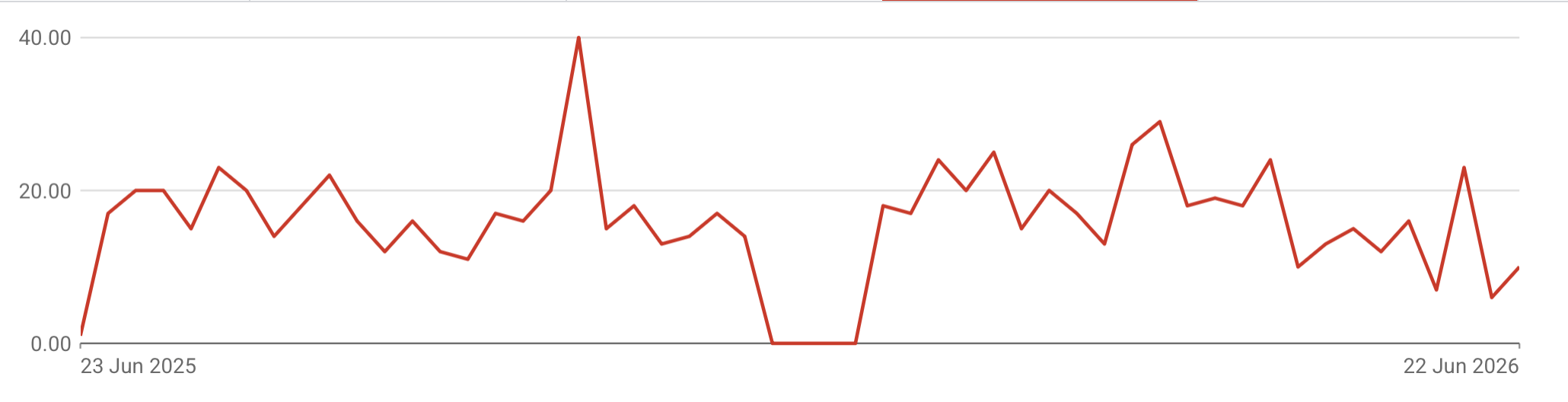
One client closes for three weeks at Christmas every year. The screenshot below shows conversions (leads) for his account. You can see no leads in the middle of the graph when the ads were paused. But you'll also see the lead flow picks up again in January when the office opens.
Another client is a single dad. Summer school holidays are challenging. Some days he can't handle any leads so he turns the ads off. He also takes the girls camping for a week in July and another in August. Again the ads get paused. But, when we enable the ads, the leads flow pretty much as normal.
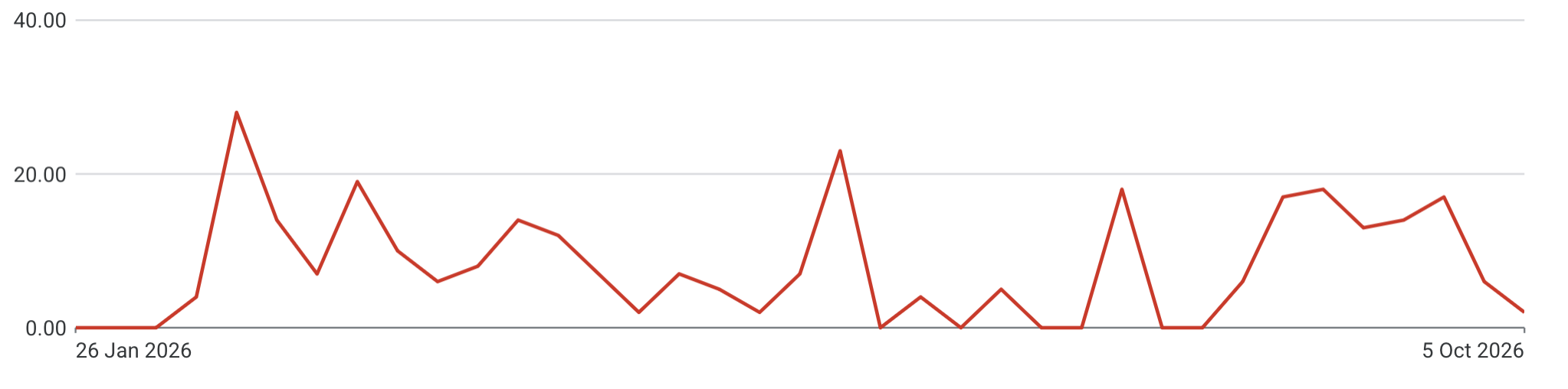
To be fair, neither screenshot proves that every campaign will respond in the same way. But it does challenge the idea that pausing inevitably ruins performance.
Google does warn that reactivating an automated bid strategy can trigger a learning period. So I think we should allow for some volatility after restarting.
I've seen people suggest dropping the budget to $1 a day instead of pausing the ads. This trick supposedly keeps the campaign from going into the learning phase so it returns to normal faster when you get back.
I couldn't find credible evidence to support this.
And is a massive change in budget any less disruptive than pausing a campaign?
Dropping the budget changes the conditions the campaign is operating under. I haven’t seen evidence that making two large budget changes produces a better restart than pausing.
If nobody can help the leads while you’re away, I’d pause the ads. A possible period of volatility when you return isn’t a good reason to pay for leads you’ll waste today.
If the way I think resonates with you I'd like to give you a copy of my book Profitable Google Ads. Grab it here: https://pete-bowen.com/book

How a successful Google Ads campaign can leave your business short of cash.
Two tricky targeting problems, a possible campaign strategy, and one important question: can we generate profitable leads?
Stop paying for searches you don’t want. Here are the five negative keyword lists I normally use when building Google Ads campaigns for service businesses.
A simple AI prompt to help block searches for places you don’t serve.
When Google matches the wrong search, your ad copy can stop the click. What happens when Google writes the ad to fit its mistake?
It is almost always cheaper to get a happy customer to return than to win another one through advertising.
Thoughts and lessons on client selection, burnout, pricing, and modernising legacy accounts, from someone who's run a Google Ads for years.
Understand what happens after someone clicks your advert. Subjects include offline conversions, CRM integration, attribution, auditability and marketing instrumentation.
Articles about marketing, engineering, AI and problem solving that don't fit neatly into the other topics. These are some of the ideas and experiences that have shaped how I think.
How to choose the right Google Ads agency, set them up to succeed, judge their work fairly, and build a relationship that delivers better business results.
Learn how to use Google Ads to generate profitable leads. Subjects include campaign strategy, bidding, targeting, optimisation and the challenges of running lead generation campaigns.
Understand why some leads become customers while others don't. Subjects include diagnosing poor leads, qualification, filtering junk leads and improving the feedback you send to Google Ads.
Things I've learned about high-converting landing pages. Subjects include copywriting, page structure, forms, trust, conversion rate optimisation and user experience.
What happens after a lead has been generated determines if Google Ads is profitable. Subjects include first contact, follow-up, quoting, lead nurturing and turning more enquiries into customers.